


Organic Comforter Care Guide: Washing, Drying & Maintenance
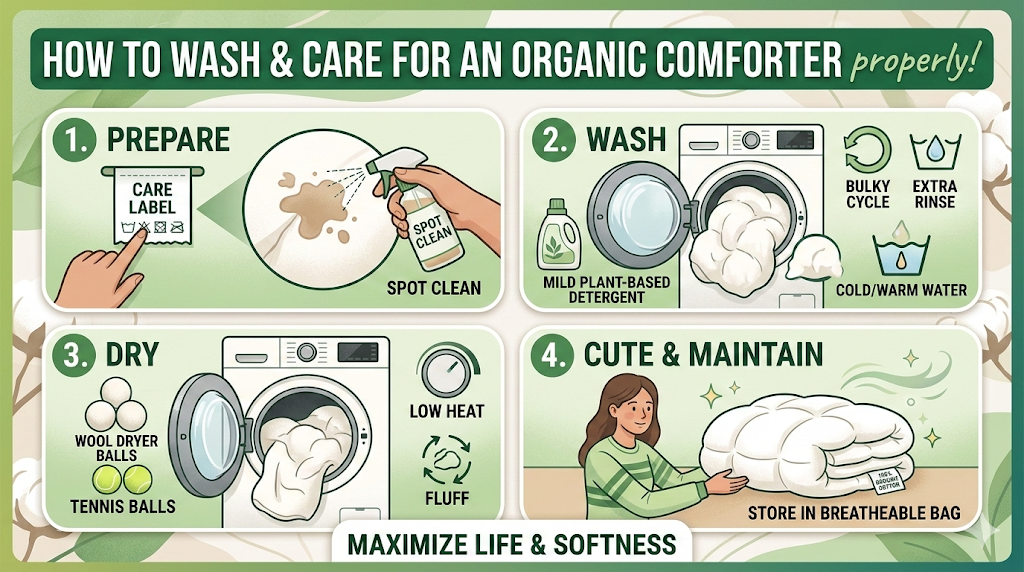
How to Wash and Care for an Organic Comforter Properly
The comforter is made to be naturally comfortable and to last a long time.
Did you know that the average person spends about 26 years of their life sleeping? That is a long time! Your bed is your special place for resting. And the star of your bed is your comforter. If you have an organic comforter, you have made a great choice for yourself and the planet.
But did you know many people don’t wash their bedding often enough? In a recent survey, about 35% of adults wash their comforter or duvet less than once a month, which can lead to odors and allergens building up over time. You want it to stay the softest comforter you have ever felt, right?
This guide will show you, in simple steps, how to wash and care for your organic bed comforter. We will make sure it stays fluffy, clean, and wonderful for many years. Let's learn how to give your favorite blanket the love it deserves!
Why Washing Your Comforter Matters
Cleaning your comforter isn’t just about smelling fresh. Over time, dirt, sweat, skin cells, and allergens get trapped inside. This can make your bed less healthy and less cozy. Many people only wash bedding when it looks dirty, but germs and dust mites can build up, even if it looks clean on the surface
If you don't wash it correctly, your organic down comforter could get flat and lumpy. Nobody wants that! Learning these simple washing steps will keep your bed feeling like a fresh, happy cloud.
When to Wash Your Comforter
Knowing how often to wash depends on how you use it and what it’s made of:
- Monthly to every 2–3 months: If used daily and touching skin.
- Less often: If you use a duvet cover, wash the cover more often and the comforter less often.
- Spot clean: If only small stains appear between washes.
Before You Wash: Easy Prep Steps
Cleaning your comforter starts before it goes in the washer.
Check the Care Tag
Find the small white tag on your comforter. This tag is like a secret message from the people who made it. It tells you exactly what to do. Some comforters, like a fluffy organic down comforter, can go in the washing machine. But others, like a nice wool one, might need to be dry-cleaned or only spot-cleaned. Listening to the tag is the best way to keep your organic cotton comforter safe and sound.
The tag will tell you:
- "Machine wash cold."
- "Dry clean only"
- "Spot clean only."
Use a Duvet Cover
Here is a top-secret tip to keep your comforter clean for a long time: use a duvet cover! A duvet cover is like a giant pillowcase for your comforter. It wraps it up and protects it from dirt and spills. You can wash the cover more often, sometimes weekly, so the comforter stays cleaner longer.
Easy Preparation Checklist
- Shake out your comforter outside.
- Zip off the duvet cover and wash it first.
- Look for stains or dirty spots to pre-treat.
It's a simple trick that keeps your soft comforter feeling new and clean for a very long time.
How to Wash Your Organic Comforter
Okay, it's finally time for a bath! But don't just throw it in the machine. You have to be gentle. Different comforters require different washes.
Getting Ready for Wash Day
First, make sure your washing machine is big enough. Your comforter needs room to swim around in the water. If you stuff it in a tiny machine, it won't get clean.
Take a few minutes to gently brush off any loose dirt or pet hair from the comforter.
Washing Your Organic Cotton Comforter
Good news! Cotton is strong and usually easy to wash.
- Use Cold Water: Always use cold water on the gentle cycle. Hot water can shrink the cotton.
- Pick a Mild Soap: Use a gentle, liquid soap. Look for one that says "free and clear", or is made for delicate clothes. Stay away from bleach!
- Wash Gently: Let the machine do its work on the most gentle setting.
Washing Your Fluffy Organic Down Comforter
Down feathers are very delicate. They need extra-special care.
- Use a Big Washer: A front-loading machine without the middle post is best. This gives the feathers room.
- Special Soap: You need to buy soap made specifically for down items. Other soaps can ruin the feathers.
- Extra Rinse: Run the rinse cycle an extra time. This makes sure all the soap is gone. Soap left inside can make the down sticky and flat.
A Note on Washing Your Wool Comforter
Wool is a superstar material, but it is also very sensitive. In fact, many wool comforters are not meant to go in the washing machine at all! The washing can ruin the special wool fibers.
Always check your tag. For wool:
- It is often best to just let it get fresh air and sunshine.
- If it gets a spot, just clean that one spot.
- Consider professional dry cleaning if the tag recommends it.
Drying: The Most Important Step!
Getting your comforter dry is just as important as washing it. If it stays damp, it can get stinky mold inside. Yuck! But you have to do it the right way.
How to Dry an Organic Down Comforter in the Dryer
Drying down takes a long time, so be patient!
- Low Heat is Key: Set your dryer to "low heat" or even "air fluff" (no heat). High heat will damage the feathers.
- The Tennis Ball Trick: Throw in a few clean tennis balls or special dryer balls. As they bounce around, they will punch the comforter, keeping the filling fluffy. This stops it from clumping up.
- Check, Check, and Check Again: Make sure the inside is totally dry. It might take two or three cycles. Stop the dryer and feel deep into the comforter. If it feels damp or cool, it needs more time.
Air Drying: The Gentlest Way
If you have the space, drying your comforter outside is the best option.
- Sun Power: The sun's rays help kill germs and make your comforter smell fresh and clean.
- Lay it Flat: You can hang it over a clean clothesline. Make sure the weight is spread out so it doesn't stretch.
- Flip it Over: Turn it over once in a while so both sides get dry.
Everyday Care and Smart Storage
You don't have to wash your comforter all the time to keep it nice. A little daily love goes a long way.
Fluffing and Freshening
Every morning, when you make your bed, give your comforter a good shake and a big fluff. This pushes air into it, keeping it puffy. If your comforter just smells a little stale, don't wash it! Hang it outside on a sunny, breezy day for a few hours. The fresh air and sunshine will work magic, and make it smell wonderful again.
Spot Cleaning Small Messes
Oops! Did you spill some tea, or get a smudge on your comforter? You don't need to wash the whole thing. Just clean that one spot.
- Act Fast: The sooner you clean a spill, the easier it is to clean.
- Mix a Little Soap: Mix a tiny bit of water with your gentle soap.
- Dab, Don't Rub: Dip a clean, white cloth into soapy water and gently dab the stain. Rubbing can push the stain deeper into the fabric.
- Rinse: Use a separate cloth with plain water to "rinse" the spot.
- Let it Dry: Let that spot air dry completely.
Storing Your Comforter the Right Way
When summer comes, you might want to store your heavy winter comforter.
- Clean it First: Never store a dirty comforter. Make sure it is freshly washed and 100% dry.
- Let it Breathe: Do not use plastic bags! Plastic traps moisture, which can cause mold. Use a big cotton bag or an old pillowcase. This lets air flow through.
- No Heavy Weights: Store it where it won't be squished flat by other heavy things. You want it to stay fluffy for next winter!
Key Takeaway
Your organic comforter is more than just a blanket. It is your cozy companion for years of good sleep. By following these easy steps, using a duvet cover, washing gently, drying with care, and storing it properly, you can keep it looking and feeling wonderful.
A little attention goes a long way in making sure your bed stays the most comfortable place in your home. Now you know all the secrets to being a comfort care pro!
Ready to experience the ultimate in cozy, chemical-free sleep? Explore the collection of high-quality, handcrafted comforters at PlushBeds. From GOTS-certified organic cotton to RDS-certified down, find the perfect softest comforter to make your dream bedroom a reality. Your perfect night's sleep is waiting.
Frequently-Asked Questions (FAQs)
1. How often should I wash my organic comforter?
You don't need to wash it very often! If you use a duvet cover, you only need to wash the comforter itself 1 to 2 times a year. Just wash the duvet cover more often.
2. Can I use fabric softener on my organic cotton comforter?
No, you should never use fabric softener. It leaves a coating on the cotton fibers, making them less soft and less breathable.
3. My organic down comforter looks flat after washing. How do I make it fluffy again?
The best way is to dry it with tennis balls, as we talked about. The balls will break up the clumps of wet feathers. You might need to run the dryer on "air fluff" for a while to get it back to normal.
4. What is the best soap to use for washing bed comforters?
Look for a liquid detergent that is "free and clear" of dyes and perfumes. For down comforters, you can buy special "down wash" that is extra gentle.
5. Is it okay to wash an organic bed comforter at the laundromat?
Yes! In fact, the big washing machines at a laundromat are often perfect for large comforters because they have so much room. Just remember to use a gentle cycle and cold water.
6. Can I iron my comforter to get wrinkles out?
It is usually not a good idea to iron a fluffy comforter. The heat can damage the fill inside. If your duvet cover is wrinkled, it's better to iron that separately.
Link to Us!
If you found this article useful and shareable, please copy and paste the following into the html code of your website or blog:
Learn More About Going Green at the <a href="https://www.plushbeds.com/blogs/green-sleep/organic-comforter-care-guide-washing-drying-maintenance">PlushBeds Latex Mattress Blog</a>.
*Please note that we DO NOT accept guest blog posts. Any inquiries into this will be respectfully left unanswered.
The post Organic Comforter Care Guide: Washing, Drying & Maintenance appeared first on PlushBeds Latex Mattress Blog.