


Latex Mattress Pads for Babies and Kids Safety Guide 2026
Are Latex Mattress Pads Safe for Babies & Kids? A Non-Toxic Sleep Guide

Parents want the best for their children. The utmost priority for every parent is the sleep safety of their child. You spend hours researching cribs and bedding options. The question of latex mattress pads often comes up during this search. Many families wonder if these products work well for young sleepers. Natural materials sound appealing, but doubts remain.
Are they truly safe for delicate skin and developing bodies?
This guide answers your pressing questions. We explore the safety aspects of latex bedding for children. So, let's explore further for a deeper understanding!
What Makes Latex Mattress Pads/Toppers Different
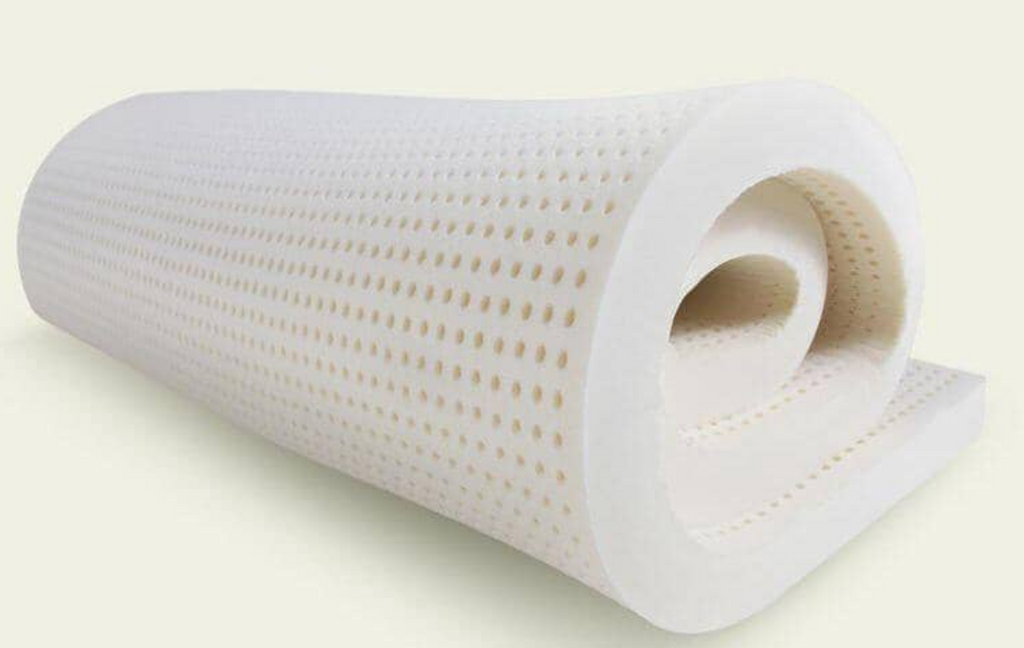
Latex stands apart from synthetic foam products. The material comes from rubber tree sap. Manufacturers process this natural substance into comfortable bedding layers. Two main types exist in the market today.
Dunlop latex offers a denser feel.
Talalay latex provides a softer touch.
Both versions create supportive sleep surfaces. The production methods differ, but the base material remains natural. Parents appreciate this organic origin story.
Traditional mattresses use many different materials. Each material has its own way of being made. However, a natural latex mattress topper is built differently. It comes from plants, not chemicals.
This natural source matters to health-focused families. These families want clean, carefully made sleep products. Children spend lots of time sleeping and growing. Parents need something that feels safe and simple.
- More durable than traditional foam products.
- Chemical-free composition when certified organic.
- Responsive support that adapts to body movements.

Why Parents Choose Natural Bedding?
Infants inhale more than adults in terms of volume per minute. Their little bodies take in chemicals more easily. Toxic materials pose greater risks to young children. Natural options provide peace of mind.
Latex mattress toppers gained popularity for good reasons. They offer comfort without harsh additives. The material breathes better than synthetic alternatives. The role of ventilation in sleep is quite important as one of the best ways to keep children and anyone else, without exception, from getting too hot. So, the little ones can stay cool and restful during the night.
Safety Features of Latex for Young Sleepers
Natural latex brings several protective qualities. Understanding these features helps parents choose wisely. Safety goes beyond just avoiding chemicals.
Hypoallergenic Properties
Common allergens are naturally repelled by latex. Dust mites and other similar little insects find it very difficult to live in this material. These unobservable bacteria are quite capable of causing asthma and allergies. A latex mattress pad does not provide a favorable environment for these pests.
Mold and mildew also avoid latex surfaces. The material's density prevents moisture accumulation. Bacteria find it difficult to establish colonies. The antimicrobial properties serve as a shield to the weak immune systems.
Breathability and Temperature Control
Babies have the highest likelihood of health problems linked to heat. Proper air circulation helps to keep a sleep surface cool. In latex mattresses, the millions of tiny air bubbles keep the surface cool. These create natural ventilation channels throughout the material.
Heat escapes easily through these pathways. Your child's body temperature stays regulated. Night sweats decrease significantly. Better temperature control leads to deeper sleep. Well-rested children show improved behavior and development.
Firm Support for Developing Bodies
According to pediatricians, firm sleeping surfaces are best for the baby, and soft mattresses usually raise the chances of suffocation. Latex provides the right balance. The material supports small bodies without excessive sinking.
Spinal alignment matters even in childhood. A good support system encourages the growth of healthy bones. A latex mattress topper queen size, is just right for kids who have reached their teenage years. The firmness level adjusts to their changing needs.
Choosing the Right Latex Product for Your Child
Selection requires attention to specific details. Not all Latex products ensure the same quality standard; be a smart shopper to make the best out of the money you are about to spend and protect your child.
1. Certification and Quality Standards
The safety of products is validated by third-party certifications.
The GREENGUARD Gold certification evaluates the product for low emissions.
The Oeko-Tex Standard 100 is a testing method that involves the checking of harmful substances present in the products. These labels indicate rigorous testing.
Organic certifications matter, too.
The Global Organic Latex Standard (GOLS) is an assurance of sustainable tapping. It covers the whole production chain. Only truly natural products earn this designation.
CertiPUR-US certification applies to foam products.
However, this standard allows some synthetic materials. Pure latex certifications offer stricter requirements. Read labels carefully before making decisions.
2. Age-Appropriate Thickness and Firmness
Infant needs differ from toddler requirements. Babies under 12 months need very firm surfaces. A thin latex mattress pad works better than thick toppers. The extra firmness prevents dangerous sinking.
A 2-3 inch latex mattress topper provides adequate comfort. Older children require a bit more buffer. School-aged children should choose from standard adult-firm comfort levels.
A latex mattress topper queen provides ample space for growing children. Kids move around significantly during sleep. Extra room prevents falls and allows comfortable repositioning. Size matters as much as material composition.
Maintenance and Care Tips
The lifespan of a product can be extended with the highest quality care. The cleanliness of the bedding is a factor that helps in creating healthy sleeping conditions. Latex requires specific care approaches.
- Rotate the pad every three months.
- Never use bleach or chemicals.
- Air out regularly in sunlight.
- Never machine-wash latex products.
- Check for wear and tear monthly.
- Replace every 5-7 years, typically.
Protecting Your Investment
Choose breathable waterproof materials. Some covers trap heat and moisture. This defeats the natural ventilation benefits. Look for certified organic cotton with waterproof backing. These combination products offer complete protection.

Comparing Latex to Other Mattress Options
Understanding alternatives helps clarify your choice. Each material type has distinct characteristics.
Memory Foam vs Latex
Memory foam usually comes from polyurethane chemicals. The material molds closely to body contours. Some parents appreciate this cradling effect. However, the close contact increases overheating risks.
Latex bounces back quickly. Memory foam responds slowly to movement. Active sleepers prefer the responsive latex feel. The material doesn't trap body heat. Temperature regulation stays consistent throughout the night.
Cotton and Wool Padding
Natural fiber pads are another good alternative. The characteristics of cotton and wool result in gentle cushioning. They are highly breathable materials. This is for the purpose of preventing moisture from accumulating in the beds.
However, these pads compress quickly. They lose support after several months. Regular replacement becomes necessary. The ongoing cost adds up over time.
Latex maintains its shape for years. The resilient material bounces back nightly. Support characteristics remain consistent. Long-term value exceeds initial investment.
Making Your Final Decision
Your child deserves safe, comfortable sleep. Latex mattress pads present a variety of benefits. The usage of natural materials assures comfort. The properties of hypoallergenic materials are safe for people whose immune system is over-sensitive. The long-lasting nature gives a good return on investment over time.
Properly analyze your specific family needs. Does your child have known allergies? What's your budget for quality bedding? How important is organic certification?
Always check for multiple safety certifications. Select firmness levels suitable for the age of the child. A latex mattress topper provides a better sleep environment, health-wise. Your child benefits from reduced chemical exposure.
Conclusion
So, Yes! Latex mattress pads are completely safe for babies and kids. Sleep safety forms the foundation of child wellness. Parents face countless bedding decisions. Latex offers a strong, comfortable, and durable solution. The natural material offers impressive benefits. Hypoallergenic properties protect vulnerable bodies. Temperature regulation promotes comfortable rest. Firm support aids proper development. Quality certifications ensure product safety. Proper maintenance extends the useful life significantly. Your child spends years in their bed.
Still wondering where to get the best latex mattress toppers/pads? Choose PlushBeds, your one-stop solution for all your bedding needs. Our Latex mattress toppers are designed with families in mind, and are built to last and provide dependable support. Whether you want a Queen, King, or Cal King-size mattress topper, PlushBeds offers something for everyone. Choose PlushBeds and create a healthier sleep environment for your child and whole family.
Frequently-Asked Questions (FAQs)
1. Are latex mattress toppers safe for newborns and infants?
Definitely, latex mattress toppers are safe for babies. If you are selecting one for an infant who is less than a year old, take a very firm, thin one. This prevents the dangerous sinking from happening. Opt for certified organic latex mattress toppers. They have innate properties that keep bacteria away. Thus, they are friendly to your baby's sensitive skin and respiratory system.
2. What is the proper size latex mattress topper for growing children?
A queen-size latex mattress topper is ideal for kids. It provides them with a lot of space to move around. Young children require 2- or 3-inch latex mattress pads. Kids of school age can have medium firmness. The additional space reduces the risk of falling during the night. It is a wise decision for the future.
3. What are the benefits of using latex mattress pads for kids suffering from allergies?
Latex mattress pads help a lot against dust mites. They do not allow the growth of molds and mildews, which are also major allergens. The thick material prevents the passage of allergens and bacteria.
4. How do I care for my kid's latex mattress pad?
Every three months, rotate your latex mattress pad. A breathable waterproof protector should be used. Clean only with mild detergent and spot clean. Latex mattress pads should never be washed in the machine. Regularly, let it breathe in the sun. Check for wear every month. A queen-size good latex mattress topper lasts 5-7 years.
5. What certifications should I consider when purchasing a latex mattress topper for children?
Seek out GREENGUARD Gold certification. It signifies low emissions. Verify Oeko-Tex Standard 100. It screens for dangerous substances. GOLS certification is the guarantee of fully organic materials. These testify to the safety of your latex mattress pad. They assure that no toxic chemicals are present for your child.
Link to Us!
If you found this article useful and shareable, please copy and paste the following into the html code of your website or blog:
Learn More About Going Green at the <a href="https://www.plushbeds.com/blogs/green-sleep/latex-mattress-pads-for-babies-and-kids-safety-guide-2026">PlushBeds Latex Mattress Blog</a>.
*Please note that we DO NOT accept guest blog posts. Any inquiries into this will be respectfully left unanswered.
The post Latex Mattress Pads for Babies and Kids Safety Guide 2026 appeared first on PlushBeds Latex Mattress Blog.